The Significance of Christmas Animals: Sheep and Donkey in the Bible Story
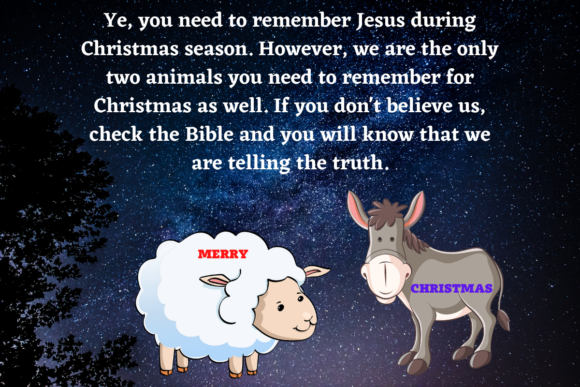
Christmas is an exciting time to celebrate, not just for its traditions and festivities but also for its deep spiritual meaning. At the heart of this season is the story of Jesus' birth, a narrative rich with symbolism and lessons that continue to resonate today. While many focus on the star, the angels, or the manger, two animals play a vital role in this story: the sheep and the donkey. These creatures are more than just background characters—they are integral to understanding the message of Christmas and the love of God.
The Role of the Sheep in the Christmas Story
The sheep hold a special place in the biblical account of Jesus' birth. In the Gospel of Luke, we read about shepherds who were watching their flocks when an angel appeared to them with the news of Christ's birth. This moment highlights the significance of the sheep as symbols of guidance, care, and humility. The shepherds, much like the sheep they tended, were humble and close to the earth, making them the first to receive the good news.
Sheep also represent innocence and vulnerability. In many religious teachings, they are seen as followers of a shepherd, which is often used as a metaphor for God guiding His people. The sheep in the Christmas story remind us that even the most ordinary individuals can be chosen by God to witness something extraordinary. Their presence underscores the idea that God's love extends to all, regardless of status or station in life.
Practical Relevance of the Sheep Today
In modern life, the symbolism of the sheep can be applied to our daily experiences. Just as the shepherds were attentive to their flock, we are called to be mindful of those around us. Whether in work, education, or personal relationships, the lesson of the sheep encourages us to be compassionate and attentive to the needs of others. It reminds us that even small acts of kindness can have a profound impact.
Additionally, the sheep's role in the Christmas story can inspire us to seek guidance in our own lives. Like the shepherds, we may find ourselves in moments of uncertainty, but the message of Christmas tells us that there is always hope and direction available through faith and community.
The Donkey in the Christmas Narrative
While the sheep are associated with shepherds, the donkey is closely linked to the journey of Mary and Joseph. According to tradition, they traveled to Bethlehem on a donkey, which was a common mode of transport at the time. This detail adds a layer of realism to the story, grounding it in the everyday experiences of people in ancient times.
The donkey symbolizes endurance, loyalty, and service. It was a humble animal, often overlooked but essential for carrying people and goods. In the context of the Christmas story, the donkey represents the quiet strength that supports important journeys—both literal and metaphorical. Its presence reminds us that sometimes, the most significant contributions come from those who work behind the scenes.
Modern Applications of the Donkey's Symbolism
In today's fast-paced world, the donkey's qualities can serve as a reminder of the value of perseverance and dedication. Many people work tirelessly in roles that may not always be recognized, yet their efforts are crucial to the success of teams, organizations, and communities. The donkey teaches us to appreciate the quiet, steady work that keeps things moving forward.
Moreover, the donkey's role in the Christmas story can inspire us to reflect on the importance of support systems. Just as Mary and Joseph relied on the donkey for their journey, we too often depend on others for help and encouragement. Recognizing and valuing these relationships can strengthen our personal and professional lives.
Why These Animals Matter in the Christmas Story
The sheep and the donkey are more than just animals in a story; they are powerful symbols that convey deeper meanings. Together, they illustrate the themes of guidance, humility, and service that are central to the Christmas message. Their presence in the narrative reminds us that God's love is not limited to grand gestures but is also expressed through the simple, everyday elements of life.
One common misunderstanding is that the Christmas story is solely about the miraculous aspects, such as the star or the angels. However, the inclusion of the sheep and the donkey adds a human and relatable dimension to the tale. It shows that even in moments of divine significance, the ordinary and the humble play a vital role.
This perspective can help us appreciate the broader implications of the Christmas story. It encourages us to see the sacred in the mundane and to recognize the value of every individual, no matter how small or unnoticed they may seem.
Connecting the Christmas Animals to Modern Life
The lessons from the sheep and the donkey can be applied across various aspects of modern life. In business, for example, the sheep's role as a follower of a shepherd can be likened to employees who trust and follow their leaders. The donkey's endurance and loyalty can be seen in the hardworking professionals who consistently contribute to their organizations' success.
In education, the sheep's symbolism can encourage students to seek guidance and support from teachers and mentors. The donkey's resilience can inspire learners to persist through challenges and setbacks, understanding that progress often requires steady effort over time.
On a personal level, the Christmas animals remind us to be present in our lives and to appreciate the people and things that support us. They teach us to value both the visible and the invisible contributions that shape our experiences and growth.
Conclusion
The Christmas story is a tapestry of meaning, and the sheep and the donkey are essential threads in that fabric. Their roles highlight the importance of humility, guidance, and service, offering lessons that extend far beyond the holiday season. As we celebrate Christmas, let us remember the significance of these animals and the values they represent.
By reflecting on the sheep and the donkey, we can deepen our understanding of the Christmas story and apply its teachings to our lives. Whether in our relationships, careers, or personal goals, the message of Christmas continues to inspire us to live with compassion, perseverance, and gratitude. After all, as the Bible reminds us, Jesus loves us so much that He came into the world in the most humble of ways—and that love is still with us today.